
Summary
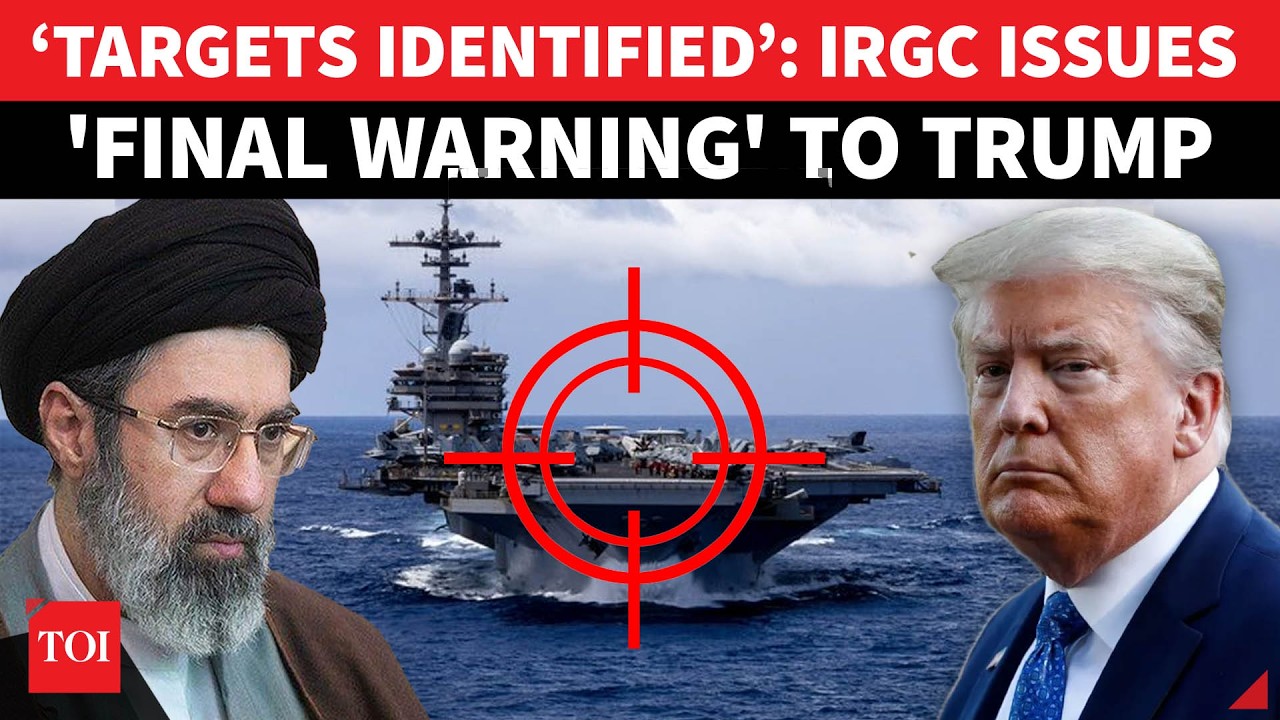
Amidst escalating tensions between the **United States** and **Iran**, the **Islamic Revolutionary Guard Corps (IRGC)** has issued a stark warning, designating major US tech companies like **Microsoft**, **Apple**, **Google**, and **Tesla** as 'legitimate targets'. The IRGC claims these firms are complicit in 'terrorist operations' and threatens to strike their facilities starting April 1st, urging employees and nearby residents to evacuate. This threat follows US Defense Secretary **Pete Hegseth**'s strong admonitions to Iran regarding a potential deal or intensified military action. The IRGC's statement specifically accuses American ICT and AI firms of aiding in assassinations, promising retaliatory strikes for any 'terror act' in Iran. The potential for physical attacks and large-scale cyberattacks looms, raising concerns about global data flows, financial transactions, and supply chains. The IRGC-affiliated **Tasnim News Agency** has reportedly published lists of offices and infrastructure linked to these companies and **Israel**, alleging their use for military purposes. Iran, however, denies engaging in official talks with Washington, characterizing US overtures as 'excessive, unreasonable demands'. This geopolitical friction underscores the complex interplay between international relations, technological infrastructure, and national security, with significant implications for global business operations and digital connectivity.
Key Takeaways
- Iran's IRGC has threatened US tech giants Microsoft, Apple, Google, and Tesla with attacks.
- The IRGC cites alleged complicity of these companies in 'terrorist operations' as justification.
- The threat is linked to escalating US-Iran geopolitical tensions and follows US warnings to Iran.
- Potential attacks could include physical destruction and large-scale cyber operations.
- The situation raises concerns about global data flows, financial transactions, and supply chains.
Balanced Perspective
The IRGC's warning represents a significant escalation in the US-Iran conflict, directly targeting key pillars of the global digital economy. The credibility and scope of the threat remain to be seen, as does the potential for actual physical or cyber attacks. The IRGC's claims of complicity in 'terrorist operations' are unverified by independent sources. The situation highlights the vulnerability of interconnected global systems to geopolitical instability and the potential for asymmetric warfare tactics.
Optimistic View
This threat, while alarming, could serve as a catalyst for enhanced global cooperation on cybersecurity and de-escalation. **US tech companies** might leverage this situation to advocate for stronger international norms against targeting civilian infrastructure, potentially leading to more robust digital defense agreements. The heightened awareness could also spur innovation in resilient infrastructure and secure communication, ultimately benefiting users worldwide by ensuring the continuity of essential digital services.
Critical View
This threat poses a grave risk to global technological infrastructure and the employees of targeted companies. The potential for physical destruction of offices and the disruption of critical services like cloud computing and AI development could have cascading economic consequences. Furthermore, the threat of cyberattacks could cripple financial markets, disrupt supply chains, and compromise sensitive data, creating widespread chaos and instability. The IRGC's rhetoric suggests a willingness to engage in actions that disregard international norms and endanger civilian populations.
Source
Originally reported by Republic World